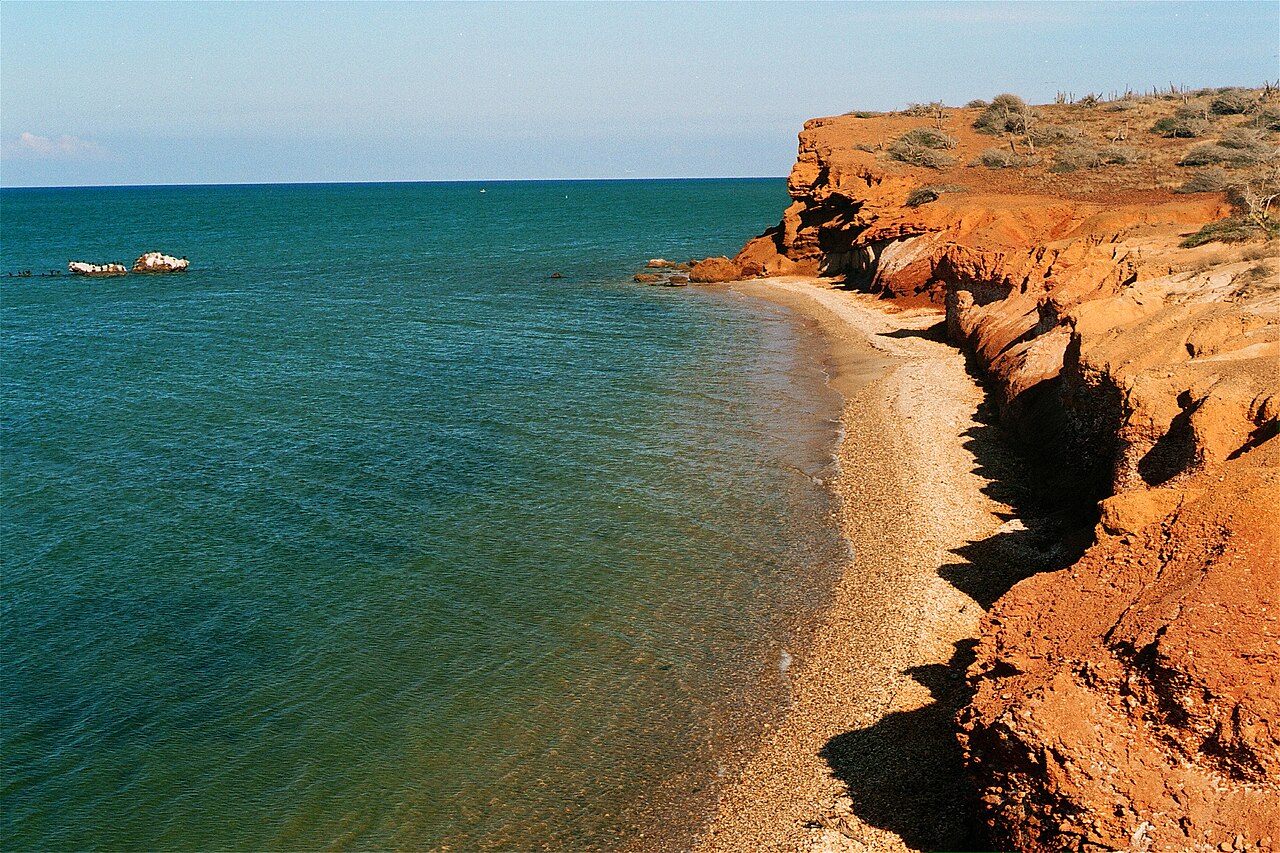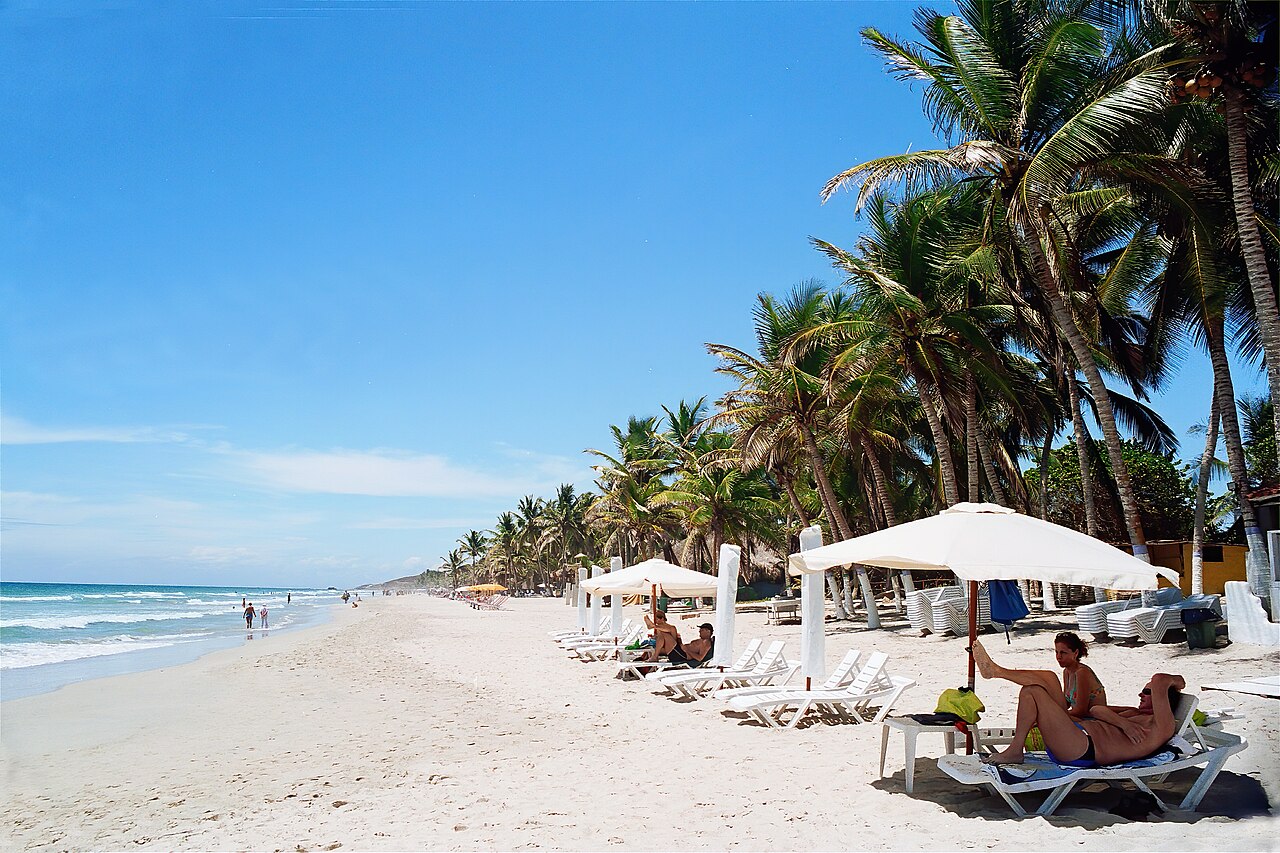

Margarita is much more than its beaches, although the beaches alone would be worth the trip. It is an island of contrasts, with green mountains, a desert by the sea, colonial forts, fishing villages and a warm, easy-going way of life that makes visitors feel at home.
We live here, and this is the Margarita we love. Here are the experiences we recommend to anyone visiting the island for the first time, plus a few practical tips to make your trip easier.
Getting your bearings
Margarita is the largest island of Nueva Esparta, a Venezuelan state in the Caribbean that also includes the islands of Coche and Cubagua. It is warm all year round, with an almost constant breeze.
The east side is where you will find the best-known beaches, the city of Porlamar, the bay of Pampatar and La Asunción, the state capital. To the west, past the mangroves of La Restinga, lies the Macanao peninsula, dry and wild, with cacti and quiet beaches. In the middle rises Cerro El Copey, green and cool, a surprise for anyone who thinks Margarita is only sun and sand. Distances are short, so you can combine very different plans in a single day.
Beaches for every mood
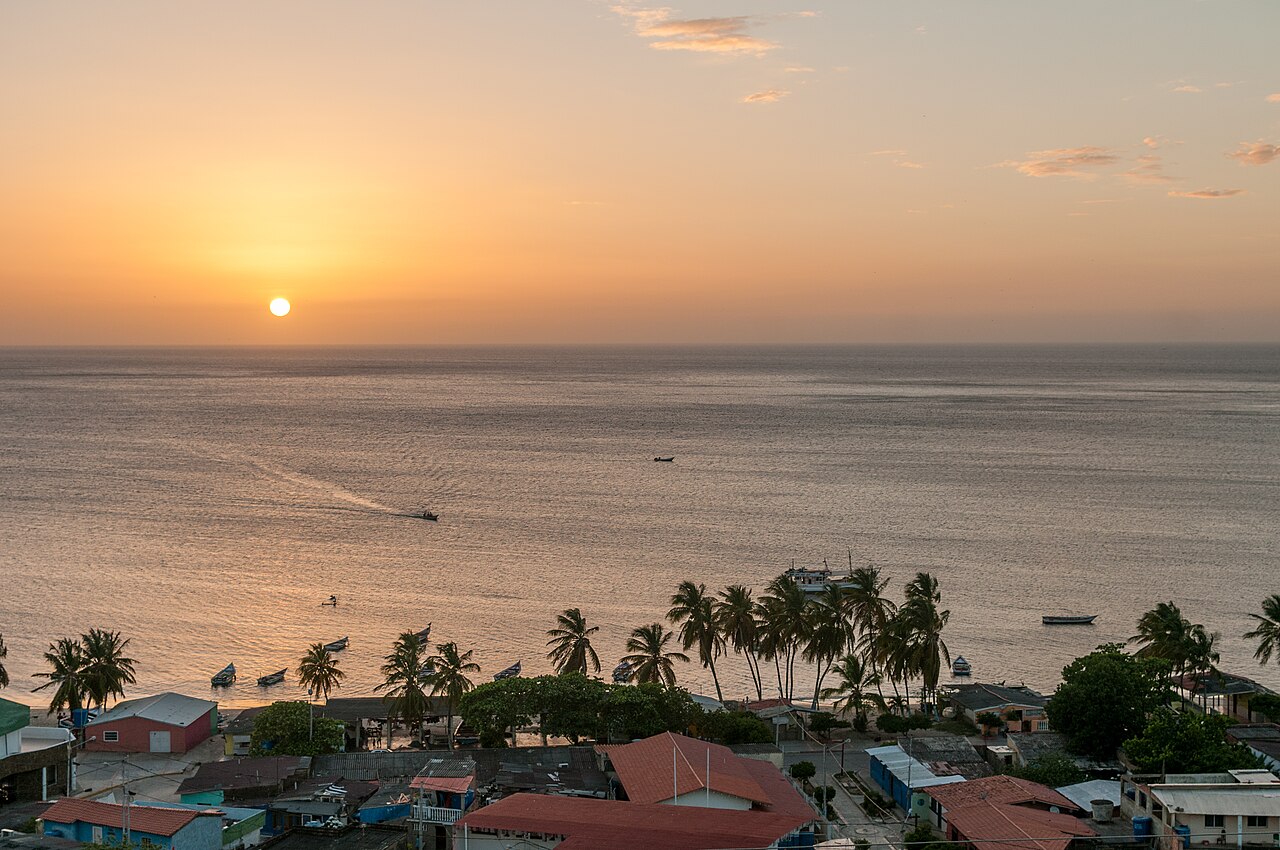
Playa El Agua is the island's most famous beach: long, lined with palm trees and full of restaurants and services. Parguito, next door, is the surfers' favorite. El Yaque, near the airport, has shallow water and steady wind. And Punta Arenas, at the far western tip of Macanao, is a long drive from Porlamar but rewards you with clear sand, calmer water and fresh fish in a fishing village. Stay for the sunset.
Speaking of sunsets, the classic one is in Juan Griego. Walk up to Fortín La Galera, a small hilltop fort from the independence era, and watch the sky turn orange over the bay.
Our Spanish guide to the best beaches in Margarita covers many more.
On the water
A boat ride through La Restinga. Inside the national park, small boats glide through calm channels lined with mangroves and end at a seemingly endless beach full of shells. It is one of the most peaceful experiences on the island, and kids and grandparents love it equally.
Snorkeling and diving. The waters around Margarita hide reefs and colorful fish. The Los Frailes islets, off the northeast coast, are among the spots divers appreciate most.
Island hopping to Coche and Cubagua. Coche, just south of Margarita, has calm turquoise water and great wind for kitesurfing; read our Isla de Coche guide. Cubagua is smaller and almost uninhabited, and it holds the ruins of Nueva Cádiz, the first settlement with the title of city in Venezuela, founded in 1528 thanks to the pearl trade.

Kitesurfing and windsurfing in El Yaque
Steady wind and shallow water make El Yaque one of the best-known spots in the Caribbean for kitesurfing and windsurfing. There are schools for complete beginners and equipment rentals for those who already ride. Even if you just watch from the sand, the colorful sails over the sea are a show in themselves.
The Pampatar salt flats and Punta Ballena lighthouse
Near Pampatar, salt is still harvested the traditional way in shallow lagoons whose colors change with the light. Guided quad bike tours take you through the salt flats and tell their story. Many tours also stop at the Punta Ballena lighthouse, which has one of the best views over the salt flats and the sea.
Mountains, desert and hiking
Cerro El Copey. The island's highest point sits inside a green, cool national park. Many locals drive up on Sunday mornings to enjoy the fresh air and the views.
The Macanao peninsula. Dry landscapes, cacti, dunes and empty beaches. In Boca del Río, the Marine Museum of Margarita is a great visit for all ages, and it includes a scale model of Nueva Cádiz.
Hidden beaches on foot. Some of the island's most beautiful corners, like Cabo Negro at Margarita's northernmost point, can only be reached by hiking. Go with a local hiking group or guide who knows the trails, start early, carry plenty of water and never hike alone.
History and culture
Margarita's forts tell a long and brave history. Visit the Castillo de Santa Rosa in La Asunción, the Castillo de San Carlos Borromeo in Pampatar and Fortín La Galera in Juan Griego. La Asunción itself keeps a quiet colonial feel, with its plaza and cathedral.
In El Valle del Espíritu Santo stands the Basilica of Our Lady of the Valley, patron saint of eastern Venezuela. Her feast day is September 8, and it is one of the busiest times of the year on the island.
Food you have to try
Margarita's cooking comes from the sea. Try empanadas de cazón (small shark empanadas), pastel de chucho (a layered stingray pie that locals are proud of), consomé de chipichipi (a light clam broth) and, of course, whole fried fish by the sea. Our Spanish guide on where to eat in Margarita has more.
Practical tips for foreign visitors
- Getting there. Santiago Mariño Caribbean International Airport, in the south near El Yaque, receives domestic and some international flights. Ferries also sail from the mainland, mainly from Puerto La Cruz and Cumaná, to Punta de Piedras.
- Money. Many businesses accept US dollars in cash, and bolívares through mobile payment (pago móvil) or card. Always ask before you order.
- Agree on prices first. For taxis, boats, beach umbrellas and restaurants, ask the price upfront to avoid surprises.
- Language. Spanish is the everyday language on the island. A few basic phrases go a long way, and people are happy to help.
- When to book ahead. December, Carnival, Easter week, August and the Virgen del Valle festivities in September are the busiest dates. Book hotels, ferries and tours early.
- Sun. The Caribbean sun is strong even on cloudy days: sunscreen, a hat and plenty of water.
Still choosing between Caribbean islands? See how Margarita compares in Is Margarita Island the new Aruba? and Margarita or Curaçao?
Frequently asked questions
What is Margarita Island known for?
Its beaches, its sunsets and its seafood, along with colonial forts, the mangroves of La Restinga, the wind sports of El Yaque and a warm, relaxed atmosphere. It is the largest island of Venezuela's Nueva Esparta state, in the Caribbean.
How many days do I need in Margarita?
Four or five days let you see the highlights: a couple of beaches, a boat trip, some history and the local food. With a week you can enjoy it slowly and take a day trip to Isla de Coche.
Can I pay in US dollars in Margarita?
Yes, many businesses accept US dollars in cash. Bolívares are also used, through mobile payment or card. Always ask how you can pay before you order.
What is the best time to visit Margarita Island?
The weather is warm all year. For quieter beaches and better prices, avoid December, Carnival, Easter week, August and the Virgen del Valle festivities in September, which are the busiest periods.
How do I get to Margarita Island?
By plane to Santiago Mariño Caribbean International Airport, or by ferry from the Venezuelan mainland, mainly from Puerto La Cruz and Cumaná, arriving at Punta de Piedras.